
What are Accessory Dwelling Units (ADUs)
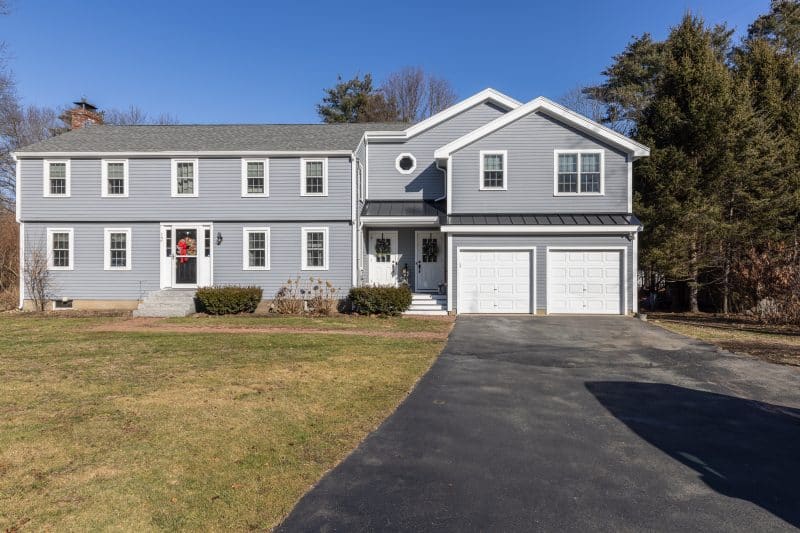
Accessory Dwelling Units (ADUs) have become a popular solution for flexible housing options, providing various benefits to homeowners and communities alike. These small, self-contained units, are either attached to or separate from the primary residence. ADUs offer several versatile benefits. This can include extra rental income, a more affordable housing option, or private space for extended family members.
Massachusetts recently implemented updates to its ADU regulations, aiming to simplify the process for homeowners and standardize ADU rules across the state. The goal is to make it easier for residents to add ADUs while meeting modern housing needs and addressing affordability concerns. Here’s a detailed look at the updates and answers to several common questions revolving around ADUs.
What Are the Recent Changes to Accessory Dwelling Units (ADUs) Regulations?
- Size Limit
The updated ADU definition now sets a clear size restriction: ADUs must be no larger than 900 square feet or 50% of the primary home’s gross floor area, whichever is smaller. This ensures that ADUs remain secondary units and do not overshadow the main residence. - Owner-Occupancy Rules
The new regulations remove the ability of local governments to require homeowners to live on-site to rent out an ADU for long-term use. This change provides more flexibility for homeowners who may want to rent out their ADUs without living on the property. - Limitations on Restrictions
Municipalities are now prohibited from imposing unreasonable restrictions on ADUs that are used for long-term rentals. This change removes barriers that could make ADU construction and rental challenging. However, ADUs used as short-term rentals (defined as stays under 30 days) can still be regulated locally under the room occupancy excise laws.

Frequently Asked Questions About ADUs in Massachusetts
ADUs are a hot topic in Massachusetts currently and the recent updates have many residents asking important questions such as:
When Do the New ADU Regulations Take Effect?
The new ADU rules come into effect on February 2, 2025. This gives towns and cities time to adjust their local zoning policies to align with the state’s updated regulations. This means that by 2025, homeowners should experience a more streamlined application process for ADU construction.
What Happens if My Town’s Zoning Conflicts with These New Rules?
After February 2025, any local zoning provisions that conflict with these updated state guidelines may become unenforceable. Applications for ADUs that meet the updated state standards should be processed in line with these new regulations, even if local rules differ.
Does Adding ADUs Require State Approval?
No, the state does not require municipalities to get state approval for ADU zoning updates. Cities and towns are encouraged to adopt the state’s updated standards on their own to align with the new law.
What Is “As of Right” Development?
Under the updated regulations, many ADU projects may qualify as “as of right” developments. This term means that homeowners can build ADUs in eligible areas without needing special permits, variances, or other discretionary approvals. It simplifies the approval process, making it easier for homeowners to add ADUs without navigating complex regulations.
What Vote Is Needed to Approve ADUs “As of Right”?
Amending local zoning to allow ADUs “as of right” in single-family districts requires only a simple majority vote in the local legislative body. However, towns may want to consult their legal advisors to ensure they’re interpreting the requirements correctly.
Benefits of Accessory Dwelling Units
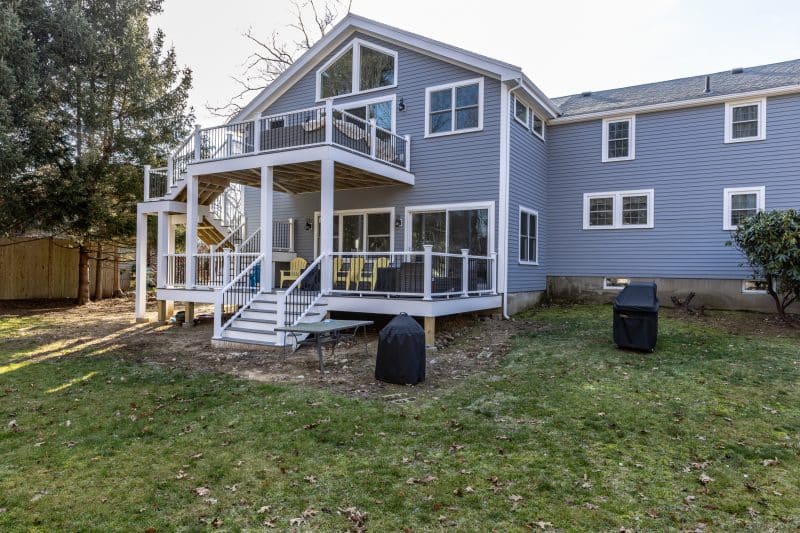
ADUs can provide not only monetary benefits such as rental income and vastly increased home value but also priceless benefits to family living situations such as:
- Elderly Care: Adding additional space for Elders in the family to age gracefully and safely around their loved ones is a common reason for ADUs. Giving them respect and support along with their valued privacy.
- Disabled Family Members: An ADU can provide extra space needed to care for family members with disabilities while also giving them dignity and independence. Disabled veterans are some of the biggest beneficiaries as ADUs can be tailored to accommodate mobility issues. This can make everyday tasks infinitely more manageable. Builders can design ADUs to be wheelchair-accessible, with features like wider doorways, lowered countertops, roll-in showers, and other modifications to ensure a safe and comfortable environment.
- Young Adults: As the costs of living continue to harshly rise in the country an Accessory Dwelling Unit can be a great option for young adults who are early in career and life. It can allow them to have their own separate space while also still being connected to the nuclear family. Living in an ADU can allow a young adult to save their income and prepare for independence at their own pace.
In summary, an ADU can provide benefits to numerous aspects of families physical and mental well-being.
More Frequently Asked Questions
Frequently asked questions concerning ADUs include:
Where can I Build an ADU?
ADUs are generally permitted in areas designated as “eligible locations.” This includes town centers, transit areas, and districts with a mix of residential and commercial developments.
What Support do ADUs provide to communities?:
ADUs offer additional housing options for families and renters, aligning with the states goal of increasing affordable and flexible housing.
What are some examples of ADUs?
Some popular types of ADUs include :
- Garage Conversions: A popular choice that repurposes an existing garage into a livable unit. This type of ADU is often more affordable to build since the structure already exists, and it maximizes the use of existing space.
- Basement Conversions: This type of ADU involves converting an existing basement into a separate dwelling unit. Basement conversions are cost-effective and can work well in areas with high property values where additional space is at a premium.
- Detached ADU: A stand-alone structure separate from the main house, often located in the backyard. Detached ADUs are ideal for homeowners who want to create a fully independent living space, whether for family members or as a rental unit.
- Attached ADU: Built as an addition to the main house, typically sharing at least one wall. This type is beneficial for families who want to stay close while maintaining separate living spaces, such as for elderly parents or adult children.
Final Overview
Massachusetts’ updates to ADU regulations make these units more accessible by reducing restrictive barriers and simplifying the approval process. By defining clearer standards and regulations, the state hopes to make ADUs a bigger solution for addressing housing needs. Additionally they hope to preserve local control over short-term rentals as well. All in all homeowners should undoubtedly find it easier to navigate the ADU application process starting in 2025.
Looking to build an ADU?
Let our skilled team of Architects and Designers make the process easy!
Contact our team about your ADU project!